Halifax · Tantallon · St. Margaret’s Bay
Excavation & site prep for new homes
We do the site preparation for new homes: preparing the lot, building the gravel driveway and compacting gravel bases for garages, sheds and slabs.
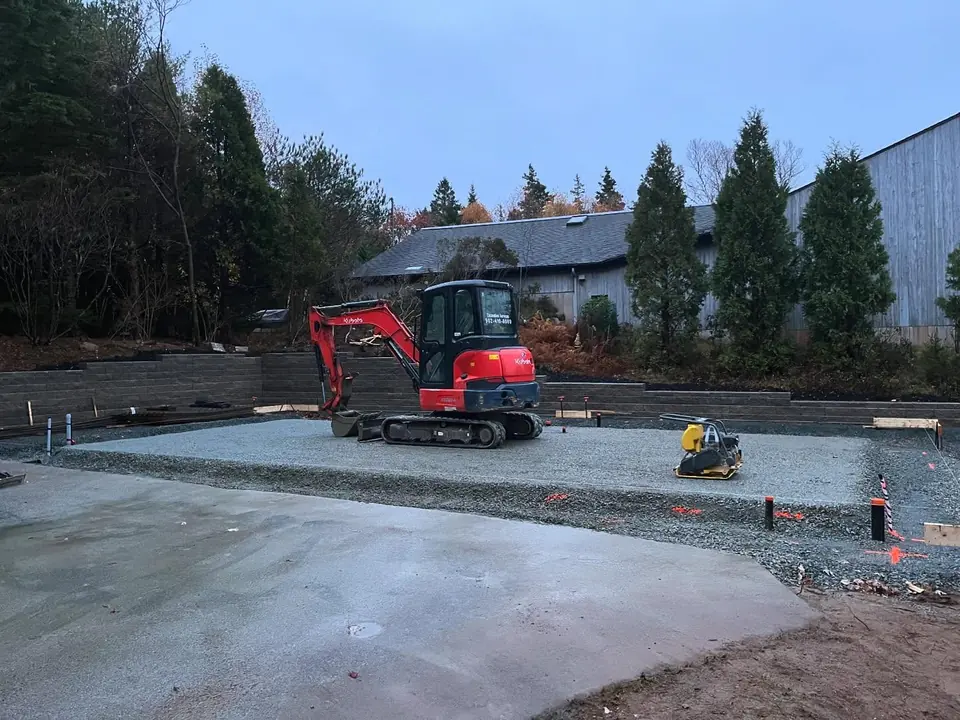
Site work on a new build
- The house siteThe site plan shows where the foundation and footings go. The finished grade needs to drain water away from the house.
- Driveways and padsGravel access from the road, culverts where needed, and compacted bases for a garage, shed or slab.
- Water and sewerThe water and sewer connections determine where trenches need to run. Allow room for those lines when planning the driveway.
For wooded lots, start with lot clearing. For properties without municipal sewer, see septic systems.
Preparing a building site
Review the site and plans
Locate the house, driveway and service lines on the site plan. Check where water runs and how close the work is to lakes, brooks or wetlands. In HRM, buildings must be at least 20 m from lakes, brooks and the coast.
Permits and locates
The building permit, a lot grading permit for many new homes on HRM sewer, the road owner’s approval for a new driveway entrance, and free utility locates before any digging.
Owner or builder, before work startsClearing and excavation
Once the building area is clear, foundation excavation can begin.
Services and backfill
Water and sewer trenches go in, or a septic system where there’s no municipal sewer, installed by a certified installer. Then the foundation is backfilled.
Final grading, driveways and pads
We finish the grade so water drains away from the house, then prepare the driveway and any gravel pads.
Project costs
What affects the cost of site work?
The size of the house, the depth of the basement and the length of the driveway all affect the amount of digging. Ledge rock and wet ground can add time.
We also look at access for the equipment, the distance to water and sewer or the septic system, any culverts and how much fill or gravel we need to haul.
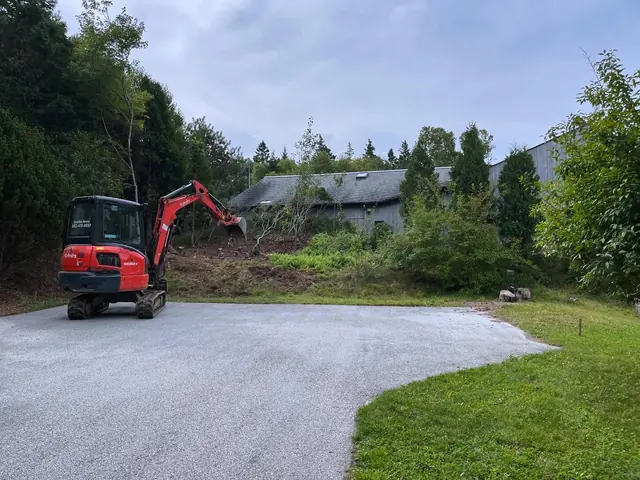
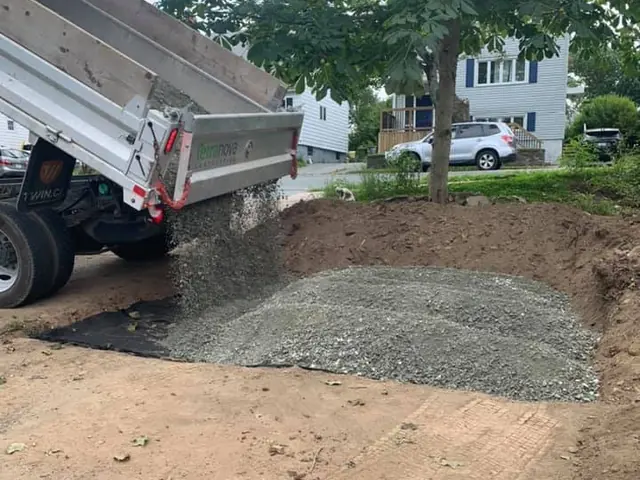
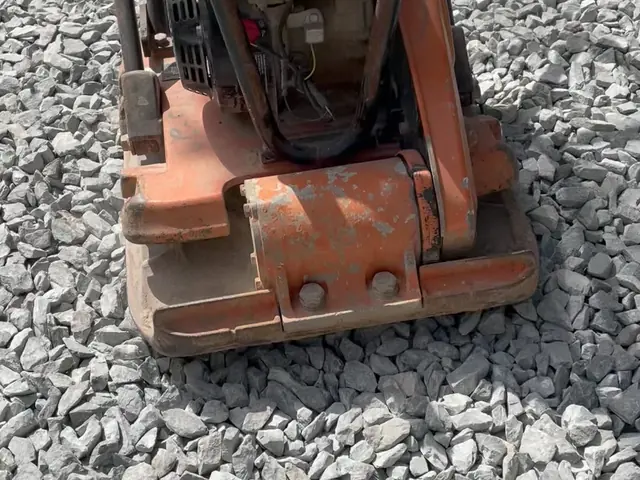
Site work photos
Questions about building on a lot
Where do I start with site work for a new house?
Start with the site plan. The house, driveway and service lines tell us where to clear and dig. We also need to know where water drains.
Do I need a lot grading permit?
Many new homes on HRM sewer need one, applied for with the building permit. Check with HRM for your lot.
How close can I build to a lake or brook?
In HRM, buildings must be at least 20 m from lakes, brooks and the coast, and farther on steep ground.
What if the house isn’t on municipal sewer?
Then it needs a septic system, selected by a Qualified Person or designed by an engineer, and installed by a certified installer. See Septic systems for how that works in Nova Scotia.
Can you build the driveway too?
Yes, a gravel driveway from the road to the house. A new entrance onto a public road needs the road owner’s approval first. See Gravel driveways & private roads.
Do I need to call for locates?
Always, before any digging. Request free locates through Info-Excavation at clickbeforeyoudig.com or 1-866-344-5463, and call Nova Scotia Power at 1-800-428-6230 about underground lines.
Do you deliver the gravel?
Yes. We deliver gravel for the project.
Based on HRM’s shoreline buffer rules, Nova Scotia’s septic and road rules, and Click Before You Dig, checked November 2026: HRM shoreline buffers (PDF), the septic regulations, Public Works driveway instructions (PDF) and Click Before You Dig.